
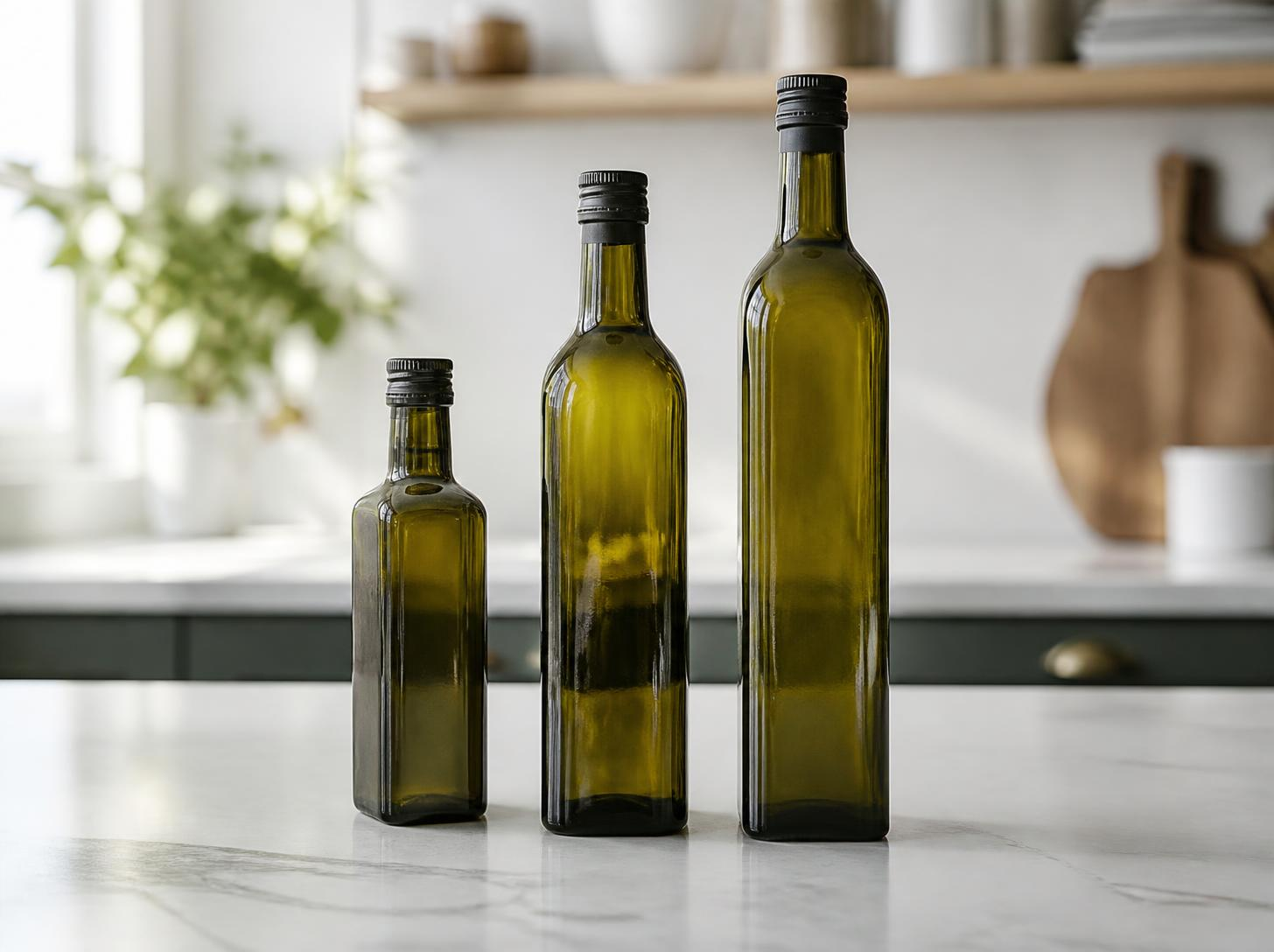
Looking at all the cooking oils in the grocery store can be overwhelming. Olive oil, avocado oil, canola oil, sunflower oil, vegetable oil… how do you know which ones are actually healthier cooking oils?
When I first started learning about them, I assumed oil was just… oil. But I quickly realized there’s a big difference in how these oils are made, how they’re used, and how they affect our bodies.
For our family, choosing healthier cooking oils started as a necessity because of food sensitivities, but it’s since become one more way we try to choose foods that are less processed. It isn’t about having the perfect ingredients in the pantry; it’s about making informed choices.
Let’s dive into some of the basic differences in cooking oils, look at why processing matters, and learn what we prefer in our house.
Why Processing Matters
One thing I’ve learned is that the more food has to be changed before it reaches my kitchen, the more questions I tend to ask.
Take extra virgin olive oil, for example. It’s made by pressing olives to release their natural oil. Compare that to many refined vegetable and seed oils, which often go through multiple manufacturing steps including high heat, chemical extraction, refining, bleaching, and deodorizing before they’re bottled.
That doesn’t automatically mean every refined oil is harmful, but it does mean the finished product is quite different from where it started.
For our family, we’ve found that choosing foods that are closer to their original form helps simplify our grocery shopping. Instead of trying to memorize every study or debate every ingredient, we often come back to one simple question:
“How much was this food altered before it was packaged?”
It’s not a perfect rule, but it’s one that’s helped make food-related decisions easier.
Hydrogenated Oils
Hydrogenated oils begin as vegetable oils but are chemically altered by adding hydrogen. This process changes the structure of the fat, making it more solid at room temperature, which gives processed foods a much longer shelf life.
For many years, partially hydrogenated oils were a major source of artificial trans fats in the American diet. Research consistently showed that trans fats increase “bad” LDL cholesterol while lowering “good” HDL cholesterol, increasing the risk of heart disease.
Because of this evidence, the FDA determined that partially hydrogenated oils are no longer generally recognized as safe, and they have largely been removed from the food supply.
While they’re much less common today, it’s still worth reading ingredient labels. You may occasionally find hydrogenated oils in shelf-stable baked goods, frostings, crackers, shortening, and other highly processed foods.
It’s also worth noting that hydrogenated oils and seed oils are different. Hydrogenation is a manufacturing process that changes an oil’s chemical structure, while seed oils simply describe where the oil comes from.
Seed Oils
Seed oils come from plants such as soybeans, corn, cottonseed, sunflower seeds, safflower seeds, canola, grapeseed, and rice bran.
There has been a lot of discussion about seed oils in recent years.
The oils themselves come from plants, but many commercial seed oils go through extensive processing before they reach grocery store shelves. They are often extracted using high heat and chemical solvents before being refined, bleached, and deodorized. This creates a mild, neutral oil with a long shelf life that’s inexpensive for food manufacturers.
Seed oils also tend to be high in omega-6 fatty acids. Omega-6 fats are an essential part of a healthy diet, but many people today consume far more omega-6 than omega-3 fats. Researchers continue to study how that imbalance may influence inflammation and long-term health.
Many of these oils are also used repeatedly in restaurant fryers, where prolonged exposure to high heat can cause the oil to break down over time.
Not every seed oil is heavily refined. Cold-pressed versions are available, although they’re less common and often more expensive than conventional varieties.
Healthier Cooking Oils
Nowadays, you can usually find these healthier cooking oils at most grocery stores. These are the oils we use in our kitchen.
Olive Oil
Olive oil is one of our favorite everyday oils. It’s made by simply pressing olives, without the extensive refining used for many commercial oils.
It’s naturally rich in monounsaturated fats and antioxidants and works well for:
- Salad dressings
- Dipping bread
- Sautéing/roasting vegetables
- Making bread dough
- Everyday cooking
Avocado Oil
Avocado oil is another staple in our kitchen. It’s pressed from the flesh of avocados and has a naturally high smoke point (480), making it a great choice for higher-heat cooking.
This oil is also rich in monounsaturated fats and antioxidants like vitamin E and lutein. Like other healthy dietary fats, avocado oil helps your body absorb fat-soluble vitamins such as A, D, E, and K.
It has a more neutral flavor, so if I’m making something where the oil is necessary for moisture but I don’t want it to taste like olives or coconuts, I grab this one.
It can be used for:
- Salad dressings
- Sauteing/roasting vegetables
- Grilling
- Pan frying
- Everyday cooking
- General Baking
Coconut Oil
Coconut oil is the other cooking oil you’ll find used in different ways throughout our house. It’s a beneficial source of medium-chain triglycerides (MCTs) and lauric acid. It’s also a great moisturizer for skin and simple carrier oil to use with essential oils.
We use it for:
- Homemade granola
- Popcorn
- Frying
- Soups
This oil is naturally high in saturated fat, so even though it contains MCTs, most health organizations still recommend enjoying it in moderation as part of an overall balanced diet.
Understanding Cooking Oil Labels
If you’ve ever stood in front of the oil section wondering what all the different labels mean, you’re not alone. Terms like extra virgin, virgin, pure, light, and refined can make it seem much more complicated than it needs to be.
Here’s a simple breakdown.
Extra Virgin Oil
Extra virgin oils, such as olive oil, are mechanically extracted without excessive heat or chemical refining. Similar minimally processed oils are also available for avocados and coconuts, although labeling standards differ between oils.
Because it’s minimally processed, it retains more of the fruits natural flavor, antioxidants, and beneficial plant compounds called polyphenols.
You’ll also sometimes see the term cold-pressed. While not identical, cold-pressed oils are extracted without excessive heat, helping preserve more of the oil’s natural flavor and nutrients.
This is the type of cooking oil I try to keep stocked in the pantry.
Virgin Oil
Virgin oil is also made from mechanically pressed fruits without chemical refining, but it has a slightly higher acidity level and may have minor flavor imperfections compared to extra virgin oil.
It’s still a good option, although it’s less common to find in most grocery stores.
Refined Oil
Refined oil starts with lower-quality fruits or fruit oils that don’t meet the standards for virgin oil. To improve the flavor, color, and shelf life, the oil is refined using heat and other processing methods.
The refining process removes many of the compounds that give them their distinct taste and some of their naturally occurring antioxidants.
Refined oil often has a milder flavor, but it also contains fewer of the beneficial compounds found in minimally processed oils.
Pure Oil
This one surprises a lot of people, including me at first.
Despite the name, pure oil isn’t “purer” than extra virgin oil. In fact, it’s usually a blend of refined oil and a small amount of extra virgin or virgin oil added back in for flavor.
The word “pure” is simply a marketing term. It doesn’t mean the oil is less processed or higher quality.
Extra Light or Light Olive Oil
The word light doesn’t refer to fewer calories. All oils contain about the same amount of calories and fat.
Instead, “light” describes the flavor and color. These oils have been refined to produce a lighter taste, making them appealing for people who don’t enjoy the stronger flavor of extra virgin olive oil.
Because they’re more refined, they also contain fewer of the natural compounds found in extra virgin oil.
Our Choice
For our family, finding organic options of extra virgin oil is our first choice because it’s the least processed and retains the most of the fruit’s natural nutrients and flavor.
Note: You may hear people talk about an oil’s smoke point. The smoke point is the temperature at which an oil begins to smoke and break down. While it’s a helpful guideline, it isn’t the only factor that determines whether an oil is a good choice. The overall quality of the oil, how refined it is, and how long it’s exposed to heat all play a role. For most everyday home cooking, choosing a quality oil that’s appropriate for the cooking method is usually more important than chasing the highest smoke point.
Things to Consider
Everyone’s body is different. What’s okay for one person, might not work for the other. Rather than focusing on one ingredient alone, it’s helpful to look at a person’s overall eating patterns.
Oxidation
Some oils become less stable when they’re exposed to repeated heating, light, or air. As oils oxidize, they form compounds that are being studied for their possible role in inflammation and other long-term health concerns.
Highly Processed Foods
One thing that’s easy to overlook is that cooking oil is rarely the only ingredient in highly processed foods. Chips, packaged pastries, frozen meals, and snack foods often combine refined oils with refined grains, added sugars, excess sodium, preservatives, and artificial ingredients. Looking at the whole food, not just one ingredient, often provides a better picture of its nutritional value.
The naturally occurring health benefits of many foods are often decreased and/or destroyed altogether while undergoing multiple processes.
Trans Fats
Hydrogenated oils deserve special attention because of the strong evidence linking artificial trans fats to increased cardiovascular disease. Fortunately, they’re much less common today than they once were, but they’re still worth watching for when reading ingredient labels.
Where These Cooking Oils Hide
Cooking oils don’t just sit in bottles on grocery store shelves. They’re hidden in many packaged foods, including:
- Crackers
- Potato chips
- Salad dressings
- Mayonnaise
- Frozen meals
- Coffee creamers
- Granola bars
- Microwave popcorn
- Packaged baked goods
- Restaurant fried foods
Reading ingredient labels has become one of the easiest ways we’ve found to make informed choices.
Practical Label-Reading Tips
When shopping, I usually look for a few simple things.
If I see these ingredients, the product is an automatic no for us:
- Partially hydrogenated oil
- Hydrogenated soybean oil
- Hydrogenated cottonseed oil
I also pay attention when foods list:
- Soybean oil
- Canola oil
- Corn oil
- Cottonseed oil
- Sunflower oil
- Safflower oil
- Vegetable Oil
That doesn’t automatically mean I won’t buy something, but it does mean I take a much closer look at the overall ingredient list.
Whenever possible, I prefer organic products made with these healthier cooking oils:
- Olive oil
- Avocado oil
- Coconut oil
I also try to look at where the oil appears on the ingredient list. Ingredients are listed in order by weight, so if an oil appears near the end, it’s usually present in a much smaller amount than if it’s listed first.
Making Change Feel Doable
If you’re thinking about making a few healthier swaps, remember that it doesn’t have to happen overnight.
Maybe you finish the bottle of cooking oil you already have and then buy a healthier cooking oil the next time.
Perhaps you start reading ingredient labels a little more closely.
Or maybe you cook one extra meal at home each week.
At the end of the day, none of us eats perfectly. We simply do the best we can with the knowledge God gives us. For our family, choosing healthier cooking oils has become one more way we care for the bodies He’s entrusted to us, and that’s a change we’ve never regretted.
If you’re wondering what other dietary changes might help you or your family, feel free to browse the other Healthy Insides posts available.
Stay Connected!
Encouragement for Faith & Everyday Life
Life can feel full with faith, health, home, and all the small things in between. The newsletter is a simple way to stay connected through new blog posts, encouragement, occasional shop news, and free tools that support intentional, everyday living.
A glimpse of the free tools